Licensed Cabling Bracing Budgeting Tips
Explore Vital Tree Care Methods for Maximum Tree Health
Knowing how to care for trees is essential for maintaining a healthy environment. Key practices like pruning and mulching are extremely important in encouraging strong tree growth. Additionally, proper watering techniques are critical for root establishment. However, many people overlook the signs of tree diseases and the need for expert assistance. Investigating these factors can foster a greater respect for trees and their care. What steps can one take to make sure their trees flourish?
Understanding the Importance of Tree Health
Understanding the importance of tree health is vital, as trees are instrumental in maintaining ecological balance and enhancing urban environments. Vibrant trees help improve air quality, provide shade, and support wildlife habitats. They also help mitigate environmental shifts by capturing carbon, proving their necessity for environmental sustainability.
In city environments, well-maintained trees improve aesthetics, raise the value of homes, and support public welfare. Having trees can lessen the urban heat effect in cities, which saves money on energy.
Ignoring tree maintenance, on the other hand, can lead to illness, pest infestations, and unstable limbs, presenting hazards to the trees and nearby structures alike. Therefore, identifying signs of a healthy tree, like the color of the leaves, growth patterns, and bark condition, is vital for successful maintenance. In conclusion, fostering healthy trees supports not only individual landscapes but the wider ecological system, stressing the importance for preventative maintenance and care methods.
Key Methods for Pruning
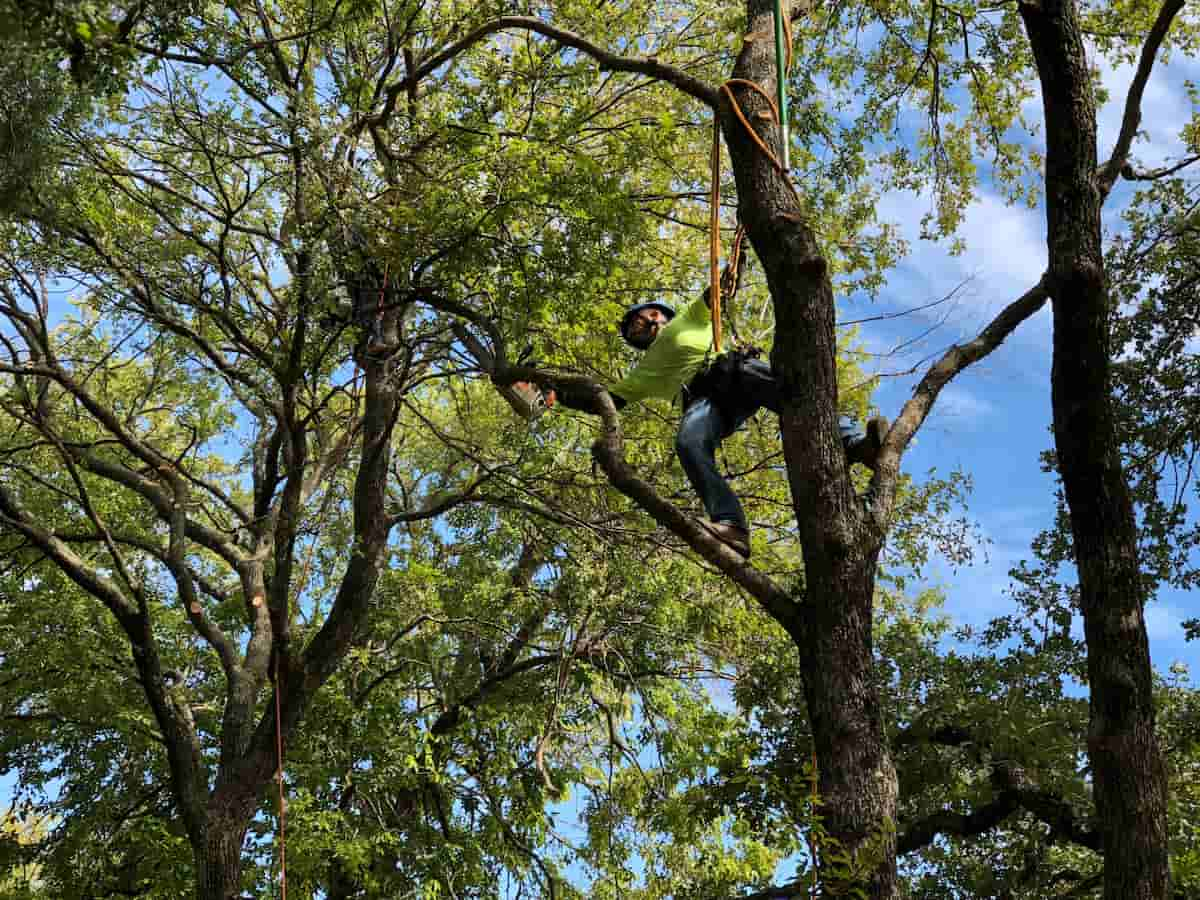
Pruning is an important practice in tree care that guarantees ideal growth and health, as it removes dead or diseased branches and boosts ventilation within the canopy. Using the right methods ensures the trees can thrive in their environment.
An essential practice is "thinning," which means taking off certain branches to enhance light penetration and reduce weight on weaker limbs. 'Heading cuts' are another method, where the tips of branches are trimmed to promote bushier growth, particularly for young trees. Additionally, the 'crown reduction' method reduces the height and spread of a tree while preserving its inherent form.
When to prune is key; cutting during the inactive period reduces strain and promotes better wound closure. Tools should be sharp and clean to avoid damage and disease transmission. Knowing these essential trimming methods is crucial for any tree care professional focused on preserving healthy and visually appealing trees.
Identifying Common Tree Diseases
How do tree owners identify the indicators of typical illnesses that threaten their trees? Knowing the particular signs is essential for early detection and action. These often include leaves that are yellowing or drooping, suggesting potential fungal issues or nutrient deficiencies. Unusual growths, such as galls or cankers, can signal the presence of pests or see this pathogens that weaken the tree. Furthermore, peeling bark or oozing sap might suggest an infection that require immediate attention.
Tree owners should also observe alterations in the tree's form, such as branches dying or leaves falling, which could signify a more severe underlying issue. Looking out for insect attacks, such as holes in the bark or frass, is equally important. By staying watchful and taking action, they can recognize these typical illnesses and get the right solutions, ensuring their trees remain healthy and vibrant across the different seasons.
How Mulching Helps Trees
Applying mulch is a vital method in tree care, offering numerous benefits that promote healthy growth and durability. This technique requires placing a covering of inorganic or organic matter surrounding the trunk, which helps retain soil moisture, preventing weed growth, and regulate soil temperature. This insulating layer does more than minimize competition from invasive plants but also boosts the visual appeal of the landscape.
In addition, natural mulching materials, for example, bark or chips, decompose over time, enriching the soil with crucial nutrients and improving its structure. This ongoing process helps roots establish and creates a more robust setting for the plant. Moreover, applying mulch helps stop soil erosion, thereby stabilizing of the tree’s base. Properly applied mulch should be spread in a circular pattern, avoiding direct contact with the trunk to prevent rot. Overall, incorporating mulching into tree care routines significantly aids to the lasting vitality of trees.
Optimal Watering Methods for Trees
Quality tree upkeep needs more than just mulching but also proper watering practices to promote the best growth and health. Tree specimens, particularly newly planted ones, require steady hydration to form solid root networks. It is vital to water deeply, as it helps roots push deeper where moisture is more consistent. Ideally, trees should receive about an inch of water per week, either via rain or supplemental irrigation.
It is best to water during the early morning hours to cut down on evaporation and the risk of fungus. It is important to avoid overwatering, which often causes root decay and further problems. The soil should be checked for moisture before watering; should the top two inches be arid, it’s time to water. Additionally, using a soaker hose or drip irrigation offers a slow, constant flow of water, ensuring that trees receive adequate hydration without the danger of water runoff. Correct watering methods significantly aid to the total vitality of trees.
Engaging Expert Arborists: The Timing and Rationale
When considering the health and aesthetics of a property, retaining specialized arborists is often vital for homeowners with complicated tree maintenance requirements. Expert tree specialists have the expertise to assess tree health, spot illnesses, and implement effective treatments. They also understand local regulations for removing trees and maintenance, ensuring adherence and avoiding potential fines
(Stillwater Tree Service)Property owners ought to hire experts when dealing with mature trees, specifically trees near homes or power lines, as mishandling creates safety hazards. Furthermore, trees requiring pruning for looks or well-being benefit from the skills of trained specialists who can make accurate cuts to encourage development
Routine seasonal work, such as storm preparation and debris cleanup, also warrant professional intervention to maintain property safety and appearance. As a result, engaging professional tree services makes certain trees get the best attention, thereby enhancing the overall landscape and property value
Commonly Asked Questions
How Do I Know if My Tree Is Receiving Too Much Water?
Symptoms of excessive watering are yellowing leaves, limpness though the soil is damp, rotting root systems, and excessive leaf drop. Additionally, the development of mold or fungus near the trunk's bottom may indicate poor drainage and excess moisture.
What's the Optimal Season for Tree Pruning?
The best time for tree pruning is generally in the cold months before spring before the onset of new foliage - Stillwater Tree Service. Pruning at this time encourages robust regeneration and lessens the impact on the plant, enabling rapid wound closure and further growth
Is It Possible for Trees to Survive Major Storm Damage?
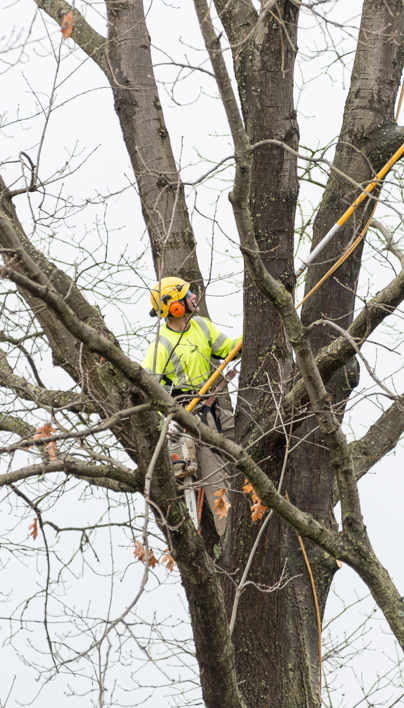
Yes, trees can recover from severe storm damage. With proper care, like trimming broken branches and providing adequate water and nutrients, many trees can regain their health and keep growing strong despite enduring major trauma.
How Do I Choose the Right Mulch for My Trees?
To choose the right mulch for trees, one should consider organic materials like wood chips or bark, apply it to a depth of 2-4 inches, and never stack mulch against the base to safeguard against rot.
Are There Specific Trees That Require More Care Than Others?
Certain trees, such as fruit trees and newly planted specimens, need extra maintenance due to their sensitivity to environmental changes and specific nutrient needs. Consistent observation and customized care routines are crucial for their well-being and flourishing.